

Understanding Labral Injuries
About Labral injury, the labrum is a crucial componene of the shoulder that helps with stabiling the joint. When this structure becomes damaged, it can lead to persistent pain and joint instability. Labral injuries frequently affect:
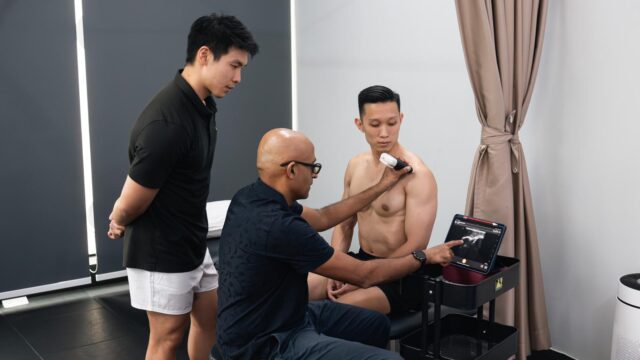
- Athletes involved in throwing sports (baseball, cricket)
- Weightlifters performing overhead presses
- Manual workers with repetitive lifting demands
- Individuals who have experienced shoulder dislocations
Without proper care, labral tears often worsen over time, potentially leading to chronic shoulder instability and arthritis.
Causes and Symptoms of Labral Injuries
Primary Causes
-
Acute Trauma
- Shoulder dislocations from falls onto arms or after collisions
- Sudden jerking motions (e.g., catching a heavy object)
- Direct impacts during contact sports
-
Repetitive Stress
- Years of overhead throwing in sports
- Weightlifting with improper form
- Occupational overhead work (construction, painting)
-
Natural Degeneration
- Age-related wear of the labral tissue
- Progressive joint laxity over time
Common Symptoms
- Deep shoulder pain during specific movements
- Clicking, popping, or grinding sensations
- Feeling of instability or “looseness” in the joint
- Weakness when lifting or carrying objects
- Night pain that disrupts sleep
- Limited range of motion, especially when reaching behind
Labral Injury Treatment
Our clinic specializes in evidence-based rehabilitation for labral injuries:
-
Comprehensive Assessment
- Detailed physical examination with special tests
- Ultrasound or MRI imaging when needed
- Functional movement analysis
-
Personalized Labral Injury Treatment Plan
For Conservative Management:
- Progressive strengthening of rotator cuff muscles
- Scapular stabilization exercises
- Joint proprioception training
- Activity modification guidance
For Post-Surgical Rehabilitation:
- Phased recovery protocol
- Gentle range of motion exercises
- Gradual strengthening program
- Return-to-sport planning
-
Advanced Treatment Options
- Shockwave therapy to promote healing
- Ultrasound guided interventions for pain relief for Labral Injury
- Therapeutic taping for joint support
FAQ: Frequently Asked Questions About Labral Injury
1. What is a labral injury?
A labral injury refers to damage to the labrum, a ring of cartilage that surrounds and stabilises joints such as the shoulder or hip. The labrum helps maintain joint stability and supports smooth joint movement during physical activity.
2. What are common causes of a labral injury?
Labral injuries may occur due to sports related trauma, repetitive overhead movements, shoulder dislocation, heavy lifting, or gradual wear and tear over time. Certain activities that involve throwing, swimming, or weight training may place additional stress on the shoulder joint.
3. What symptoms may be associated with a labral injury?
Common symptoms may include deep shoulder pain, joint instability, clicking or catching sensations, reduced range of motion, and discomfort during overhead movements or lifting activities.
4. How is a labral injury evaluated?
Evaluation typically involves a clinical consultation, physical examination, and assessment of shoulder movement and stability. Where appropriate, imaging such as MRI, ultrasound, or X ray may be used to further assess the joint structures.
5. Are labral injuries common in athletes?
Labral injuries are sometimes observed in athletes who participate in throwing sports, swimming, tennis, or other activities involving repetitive shoulder motion. However, they may also occur in non athletes following trauma or joint strain.
6. What non surgical management options may be discussed for labral injuries?
Depending on the clinical assessment, management options that may be discussed include structured rehabilitation, activity modification, strengthening exercises, and other non surgical treatment approaches designed to support shoulder function.
7. Can a labral injury affect daily activities?
A labral injury may affect shoulder stability and movement, which may make tasks such as lifting objects, reaching overhead, or performing certain sports activities more challenging.
8. When should someone consider a medical evaluation for shoulder pain related to a labral injury?
Medical evaluation may be considered when shoulder pain persists, joint instability occurs, movement becomes limited, or symptoms interfere with normal daily activities or sports participation.
